


NACHHALTIGKEIT
NACHHALTIGKEIT
NACHHALTIGKEIT
Etwas bewegen...
Wir möchten, dass Ihre Reise mit uns einen bleibenden positiven Einfluss auf alle Beteiligten hat – von den Zimmermädchen in den Hotels und Lodges bis hin zu den Fahrern der Transferfahrzeuge. Dafür arbeiten wir mit herausragenden afrikanischen Safari-Anbietern zusammen, die in Sachen Nachhaltigkeit Maßstäbe setzen und so direkt dazu beitragen, dass jede Reise ein unvergessliches Erlebnis wird.
WAS IST NACHHALTIGKEIT?
Taten sprechen lassen
Wahre Nachhaltigkeit bedeutet nicht, „grün“ zu sein oder Kinderkrippen in armen Dörfern zu eröffnen. Es geht darum, Taten folgen zu lassen. Deshalb achten wir darauf, dass die Tourismusunternehmen, mit denen wir zusammenarbeiten, unser Engagement teilen, die positiven Auswirkungen und den konkreten Nutzen jeder Reise für die lokale Bevölkerung und die Naturgebiete gleichermaßen zu verbessern.
MENSCHEN UND PLANETEN
Wie wir streben auch all diese Marken danach, durch ihre Maßnahmen und die von ihnen gewählten Geschäftsmodelle nachhaltig zu sein, da sie verstehen, dass es bei Nachhaltigkeit ebenso sehr um die Menschen wie um den Planeten geht. Sie verpflichten sich dem dreifachen Ziel der Nachhaltigkeit, Menschen zu stärken, die Umwelt zu schützen und gleichzeitig den Gewinn im Blick zu behalten.
Gerechtigkeit in allen Dingen
Ein nachhaltiges Tourismusunternehmen setzt auf Kompetenzentwicklung und Wissensvermittlung seiner Mitarbeiter, faire Bezahlung und Achtung ihrer Würde. Es lädt seine Mitarbeiter ein, sich aktiv an der Unternehmensführung zu beteiligen und gibt ihnen Mitspracherecht bei Entscheidungen, die ihr Leben und ihre Karriere betreffen.
RESPEKTIEREN
Das Unternehmen respektiert Menschenrechte, Kultur und Umwelt, indem es sichere Arbeitsbedingungen und -praktiken gewährleistet, Geschlechtergleichstellung, Vielfalt sowie den Erhalt der Biodiversität und natürlicher Ressourcen fördert. Es reduziert seine Auswirkungen auf unseren Planeten durch die Anwendung der Prinzipien „Reduzieren, Wiederverwenden, Recyceln“ und respektiert die kulturellen Normen der Gemeinschaften, in denen es tätig ist.
WAS IST NACHHALTIGKEIT?
Taten sprechen lassen
Wahre Nachhaltigkeit bedeutet nicht, „grün“ zu sein oder Kinderkrippen in armen Dörfern zu eröffnen. Es geht darum, Taten folgen zu lassen. Deshalb achten wir darauf, dass die Tourismusunternehmen, mit denen wir zusammenarbeiten, unser Engagement teilen, die positiven Auswirkungen und den konkreten Nutzen jeder Reise für die lokale Bevölkerung und die Naturgebiete gleichermaßen zu verbessern.
MENSCHEN UND PLANETEN
Wie wir streben auch all diese Marken danach, durch ihre Maßnahmen und die von ihnen gewählten Geschäftsmodelle nachhaltig zu sein, da sie verstehen, dass es bei Nachhaltigkeit ebenso sehr um die Menschen wie um den Planeten geht. Sie verpflichten sich dem dreifachen Ziel der Nachhaltigkeit, Menschen zu stärken, die Umwelt zu schützen und gleichzeitig den Gewinn im Blick zu behalten.
Gerechtigkeit in allen Dingen
Ein nachhaltiges Tourismusunternehmen setzt auf Kompetenzentwicklung und Wissensvermittlung seiner Mitarbeiter, faire Bezahlung und Achtung ihrer Würde. Es lädt seine Mitarbeiter ein, sich aktiv an der Unternehmensführung zu beteiligen und gibt ihnen Mitspracherecht bei Entscheidungen, die ihr Leben und ihre Karriere betreffen.
RESPEKTIEREN
Das Unternehmen respektiert Menschenrechte, Kultur und Umwelt, indem es sichere Arbeitsbedingungen und -praktiken gewährleistet, Geschlechtergleichstellung, Vielfalt sowie den Erhalt der Biodiversität und natürlicher Ressourcen fördert. Es reduziert seine Auswirkungen auf unseren Planeten durch die Anwendung der Prinzipien „Reduzieren, Wiederverwenden, Recyceln“ und respektiert die kulturellen Normen der Gemeinschaften, in denen es tätig ist.

WAS IST NACHHALTIGKEIT?
Taten sprechen lassen
Wahre Nachhaltigkeit bedeutet nicht, „grün“ zu sein oder Kinderkrippen in armen Dörfern zu eröffnen. Es geht darum, Taten folgen zu lassen. Deshalb achten wir darauf, dass die Tourismusunternehmen, mit denen wir zusammenarbeiten, unser Engagement teilen, die positiven Auswirkungen und den konkreten Nutzen jeder Reise für die lokale Bevölkerung und die Naturgebiete gleichermaßen zu verbessern.
MENSCHEN UND PLANETEN
Wie wir streben auch all diese Marken danach, durch ihre Maßnahmen und die von ihnen gewählten Geschäftsmodelle nachhaltig zu sein, da sie verstehen, dass es bei Nachhaltigkeit ebenso sehr um die Menschen wie um den Planeten geht. Sie verpflichten sich dem dreifachen Ziel der Nachhaltigkeit, Menschen zu stärken, die Umwelt zu schützen und gleichzeitig den Gewinn im Blick zu behalten.
Gerechtigkeit in allen Dingen
Ein nachhaltiges Tourismusunternehmen setzt auf Kompetenzentwicklung und Wissensvermittlung seiner Mitarbeiter, faire Bezahlung und Achtung ihrer Würde. Es lädt seine Mitarbeiter ein, sich aktiv an der Unternehmensführung zu beteiligen und gibt ihnen Mitspracherecht bei Entscheidungen, die ihr Leben und ihre Karriere betreffen.
RESPEKTIEREN
Das Unternehmen respektiert Menschenrechte, Kultur und Umwelt, indem es sichere Arbeitsbedingungen und -praktiken gewährleistet, Geschlechtergleichstellung, Vielfalt sowie den Erhalt der Biodiversität und natürlicher Ressourcen fördert. Es reduziert seine Auswirkungen auf unseren Planeten durch die Anwendung der Prinzipien „Reduzieren, Wiederverwenden, Recyceln“ und respektiert die kulturellen Normen der Gemeinschaften, in denen es tätig ist.
Großartige Beispiele für Nachhaltigkeit in der Praxis...
Hier stellen wir einige der großartigen Marken vor, mit denen wir zusammenarbeiten, sowie Projekte, die einen enormen und nachhaltigen Beitrag für die Menschen und Wildnisgebiete in ganz Afrika leisten und durch ihr Engagement für verantwortungsvollen, ethischen und wirklich nachhaltigen Tourismus den Weg in die Zukunft weisen.
-
Die Sonnenmamas der Great Plains Conservation
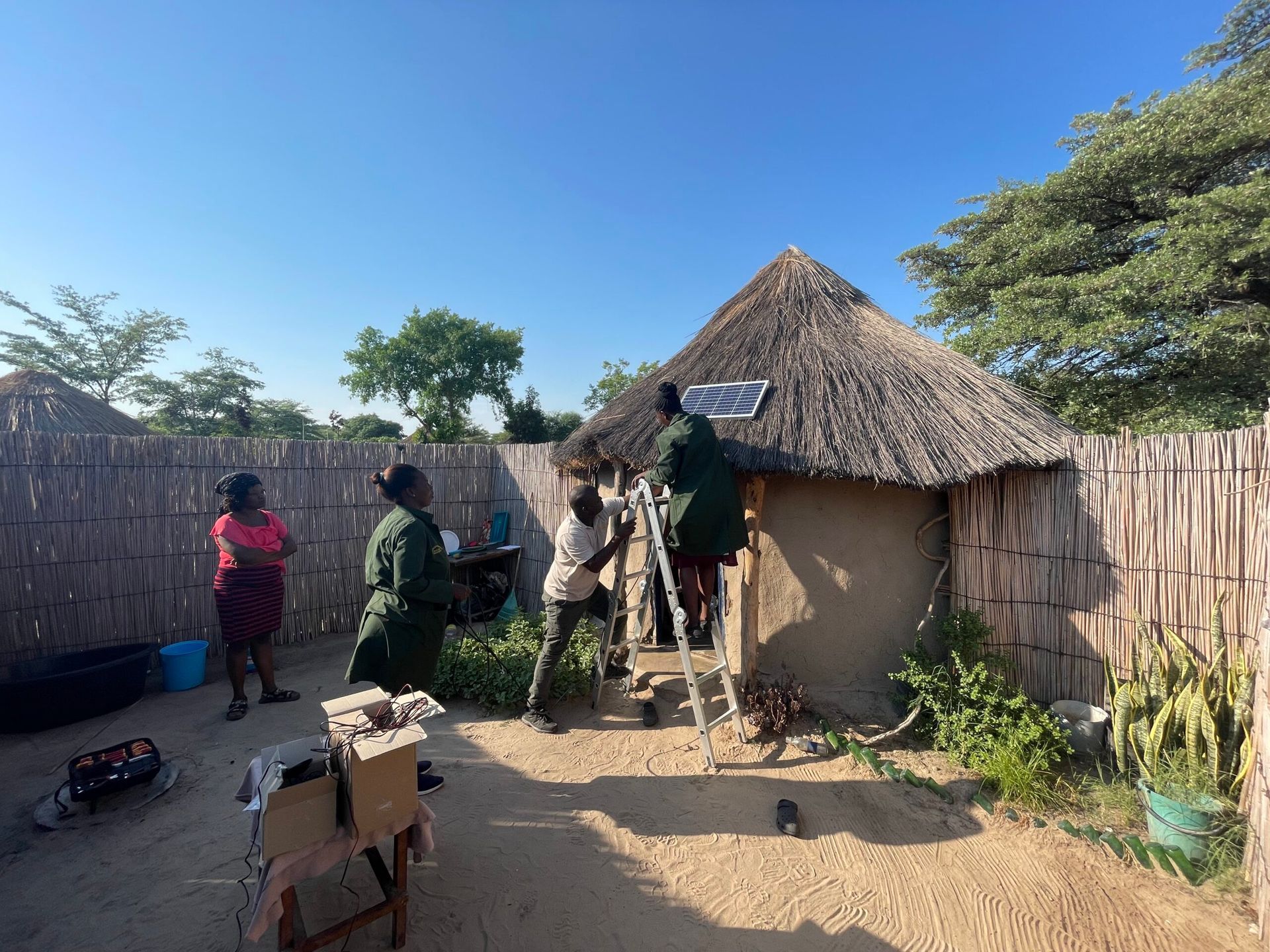
In 2019, Great Plains sponsored nine ‘Solar Mamas’ to leave their villages in Botswana to attend a five-month solar power training programme in India. They returned home with the skills to install and maintain solar home lighting systems, run a business and provide sustainable energy for their communities. The current phase of the project aims to supply equipment for the Solar Mamas to electrify rural households in their remote communities bordering the Okavango Delta. Solar electricity is a safer and more sustainable energy source than paraffin, candles, or firewood and electricity is a natural deterrent to wildlife in this game-dense area. The project also aims to increase community-wide educational and economic activity after dark and advance gender equality by supporting women to become entrepreneurs. The Solar Mamas programme is unique in its ability to address all of these areas of community life with an environmentally sustainable technology at the project’s centre.
ERFAHREN SIE MEHR -
LIEBE/HAUSBAUERN
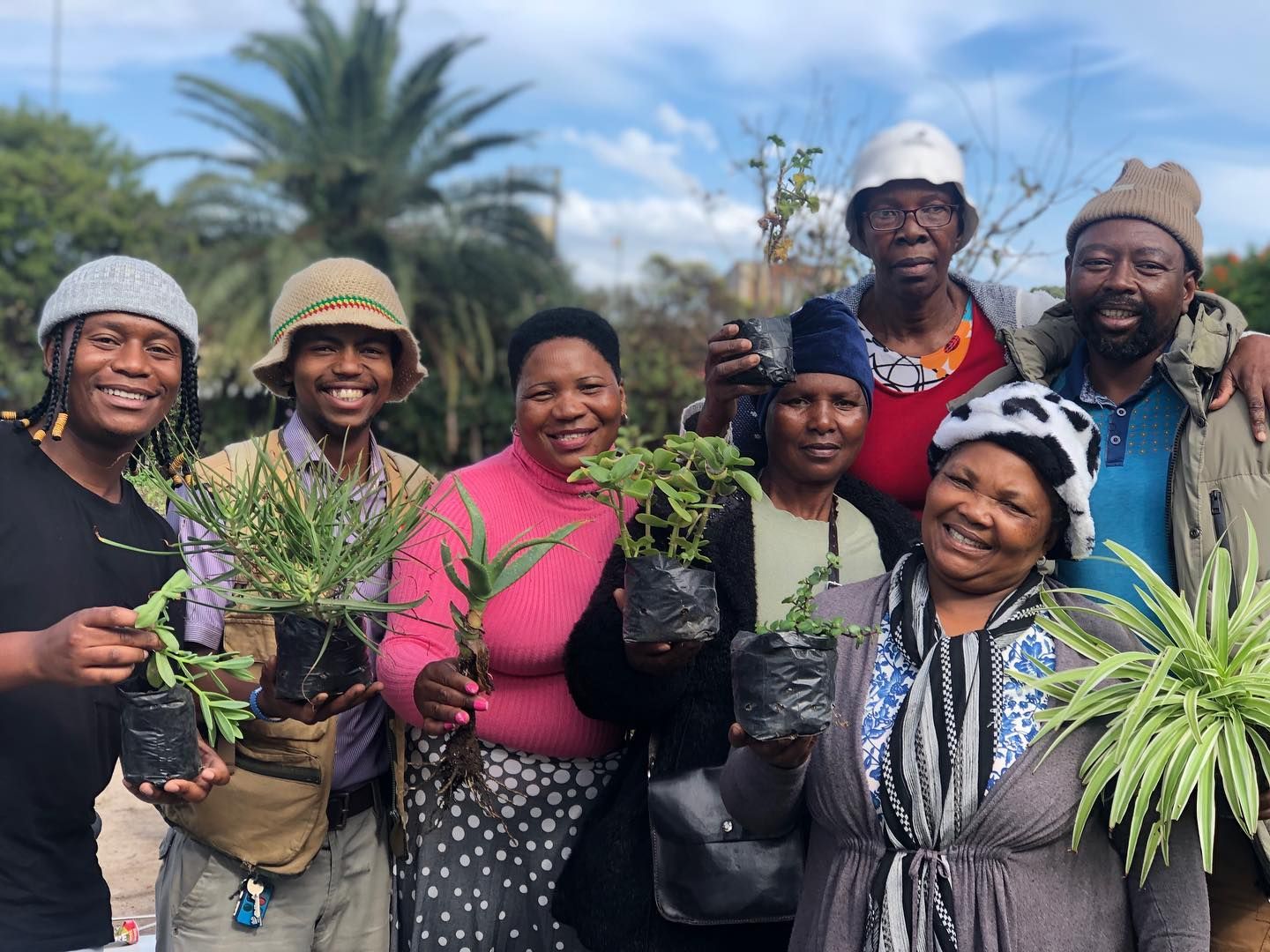
Uthando is a unique model of travelling philanthropy underpinned by the values of responsible tourism. Through philanthropic education excursions and experiences, it successfully links the tourism industry to a broad range of innovative, inspiring, and well-managed community development programmes. One of these is Abalimi Bezekhaya. Meaning “Farmers Of The Home” in isiXhosa, this is a non-profit urban farming organisation that provides support to disadvantaged communities in Cape Town, teaching people how to grow and maintain organic vegetable gardens within local communities. This encourages food security while providing support to production gardens for income generation. These centres are also training and demonstration gardens where the community can buy organically grown vegetables for consumption.
ERFAHREN SIE MEHR -

TSWALU KALAHARI STIFTUNG
Tswalu Kalahari is leading the way through its community programmes and The Tswalu Foundation's research projects. Tswalu provides an amazing range of services and facilities to its people, including a health care centre that provides free primary health care and health education not only to staff and their families on the reserve but to anyone in need in the remote, rural communities surrounding the property. Tshameka, a preschool established in 2003, provides a stimulating, structured early education in preparation for primary school for children of staff and their extended families. The Kalahari Endangered Ecosystem Project (KEEP) is also having a profound impact on the understanding of the way the environment and wild fauna and flora at Tswalu are responding to climate change. KEEP brings together expertise in botany, zoology, veterinary science, ecology and physiology, drawn from institutions across the world, all working together by sharing data and integrating findings.
ERFAHREN SIE MEHR -
CHEM CHEM ASSOCIATION
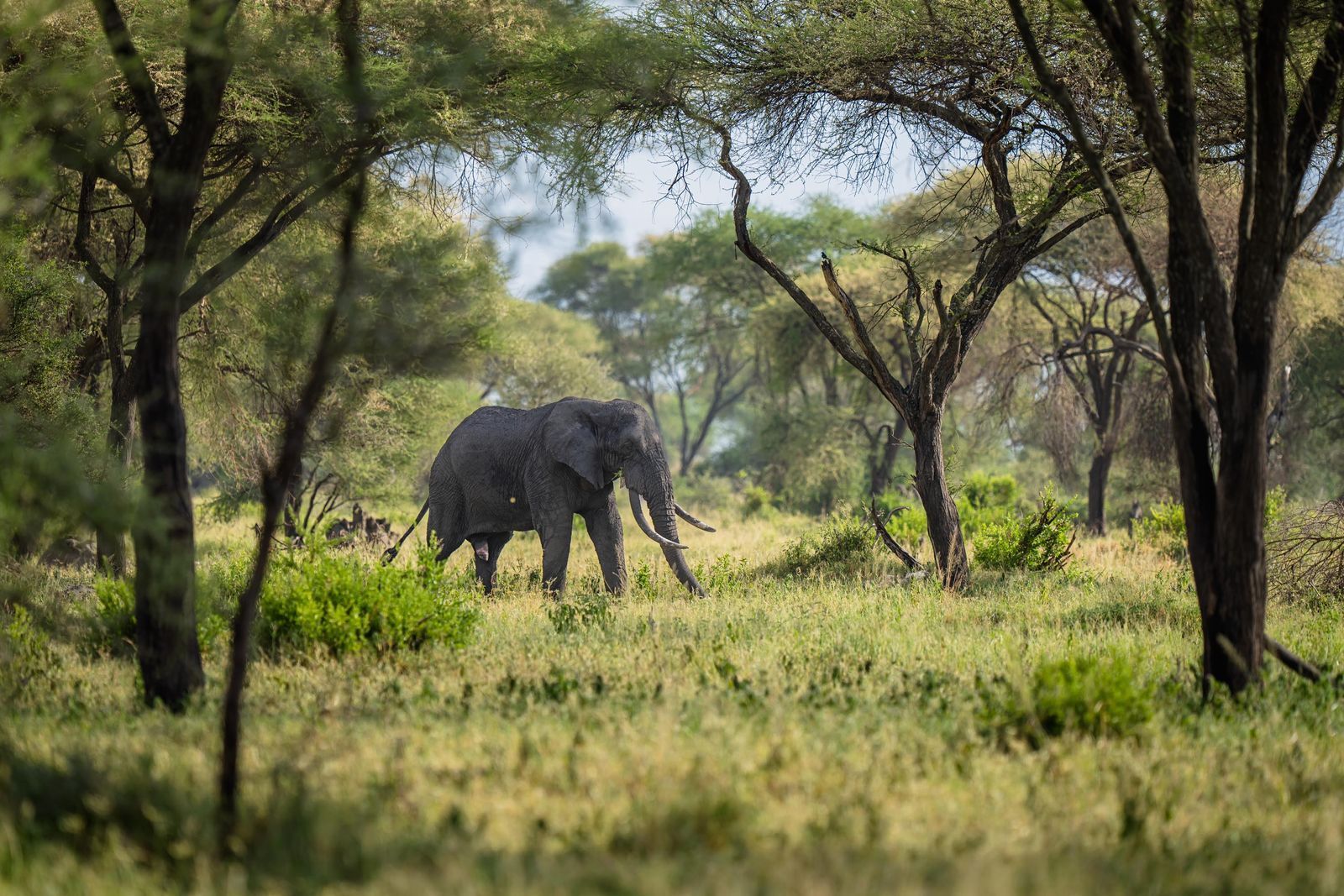
Conservation-based tourism is how it's done at Chem Chem in Tanzania.
By choosing to stay at Chem Chem Lodge, Little Chem Chem, or Forest Chem Chem, guests contribute to the protection and preservation of this beautiful environment and its inhabitants. Through the Chem Chem association - a registered non-profit organisation located within the Burunge Wildlife Management Area in northern Tanzania - Chem Chem is making a huge difference, securing and protecting the Kwakuchinja corridor — an important ancient migratory route connecting Tarangire and Lake Manyara national parks. Chem Chem's mission is to work in partnership with key stakeholders to conserve these critical ecosystems while simultaneously empowering local communities.
Protecting the region’s endangered wildlife and working to make a life-changing difference in the lives of the people living in the 10 villages surrounding the corridor is of paramount importance. It is here that Chem Chem is directly fostering sustainable development by building lasting relationships that support conservation, education, and community engagement projects.
ERFAHREN SIE MEHR
Großartige Beispiele für Nachhaltigkeit in der Praxis...
Hier stellen wir einige der großartigen Marken vor, mit denen wir zusammenarbeiten, sowie Projekte, die einen enormen und nachhaltigen Beitrag für die Menschen und Wildnisgebiete in ganz Afrika leisten und durch ihr Engagement für verantwortungsvollen, ethischen und wirklich nachhaltigen Tourismus den Weg in die Zukunft weisen.
-
Die Sonnenmamas der Great Plains Conservation
In 2019, Great Plains sponsored nine ‘Solar Mamas’ to leave their villages in Botswana to attend a five-month solar power training programme in India. They returned home with the skills to install and maintain solar home lighting systems, run a business and provide sustainable energy for their communities. The current phase of the project aims to supply equipment for the Solar Mamas to electrify rural households in their remote communities bordering the Okavango Delta. Solar electricity is a safer and more sustainable energy source than paraffin, candles, or firewood and electricity is a natural deterrent to wildlife in this game-dense area. The project also aims to increase community-wide educational and economic activity after dark and advance gender equality by supporting women to become entrepreneurs. The Solar Mamas programme is unique in its ability to address all of these areas of community life with an environmentally sustainable technology at the project’s centre.
ERFAHREN SIE MEHR -
LIEBE/HAUSBAUERN
Uthando is a unique model of travelling philanthropy underpinned by the values of responsible tourism. Through philanthropic education excursions and experiences, it successfully links the tourism industry to a broad range of innovative, inspiring, and well-managed community development programmes. One of these is Abalimi Bezekhaya. Meaning “Farmers Of The Home” in isiXhosa, this is a non-profit urban farming organisation that provides support to disadvantaged communities in Cape Town, teaching people how to grow and maintain organic vegetable gardens within local communities. This encourages food security while providing support to production gardens for income generation. These centres are also training and demonstration gardens where the community can buy organically grown vegetables for consumption.
ERFAHREN SIE MEHR -
TSWALU KALAHARI STIFTUNG
Tswalu Kalahari is leading the way through its community programmes and The Tswalu Foundation's research projects. Tswalu provides an amazing range of services and facilities to its people, including a health care centre that provides free primary health care and health education not only to staff and their families on the reserve but to anyone in need in the remote, rural communities surrounding the property. Tshameka, a preschool established in 2003, provides a stimulating, structured early education in preparation for primary school for children of staff and their extended families. The Kalahari Endangered Ecosystem Project (KEEP) is also having a profound impact on the understanding of the way the environment and wild fauna and flora at Tswalu are responding to climate change. KEEP brings together expertise in botany, zoology, veterinary science, ecology and physiology, drawn from institutions across the world, all working together by sharing data and integrating findings.
ERFAHREN SIE MEHR -
CHEM CHEM ASSOCIATION
Conservation-based tourism is how it's done at Chem Chem in Tanzania.
By choosing to stay at Chem Chem Lodge, Little Chem Chem, or Forest Chem Chem, guests contribute to the protection and preservation of this beautiful environment and its inhabitants. Through the Chem Chem association - a registered non-profit organisation located within the Burunge Wildlife Management Area in northern Tanzania - Chem Chem is making a huge difference, securing and protecting the Kwakuchinja corridor — an important ancient migratory route connecting Tarangire and Lake Manyara national parks. Chem Chem's mission is to work in partnership with key stakeholders to conserve these critical ecosystems while simultaneously empowering local communities.
Protecting the region’s endangered wildlife and working to make a life-changing difference in the lives of the people living in the 10 villages surrounding the corridor is of paramount importance. It is here that Chem Chem is directly fostering sustainable development by building lasting relationships that support conservation, education, and community engagement projects.
ERFAHREN SIE MEHR
Großartige Beispiele für Nachhaltigkeit in der Praxis...
Hier stellen wir einige der großartigen Marken vor, mit denen wir zusammenarbeiten, sowie Projekte, die einen enormen und nachhaltigen Beitrag für die Menschen und Wildnisgebiete in ganz Afrika leisten und durch ihr Engagement für verantwortungsvollen, ethischen und wirklich nachhaltigen Tourismus den Weg in die Zukunft weisen.
-
Die Sonnenmamas der Great Plains Conservation
In 2019, Great Plains sponsored nine ‘Solar Mamas’ to leave their villages in Botswana to attend a five-month solar power training programme in India. They returned home with the skills to install and maintain solar home lighting systems, run a business and provide sustainable energy for their communities. The current phase of the project aims to supply equipment for the Solar Mamas to electrify rural households in their remote communities bordering the Okavango Delta. Solar electricity is a safer and more sustainable energy source than paraffin, candles, or firewood and electricity is a natural deterrent to wildlife in this game-dense area. The project also aims to increase community-wide educational and economic activity after dark and advance gender equality by supporting women to become entrepreneurs. The Solar Mamas programme is unique in its ability to address all of these areas of community life with an environmentally sustainable technology at the project’s centre.
ERFAHREN SIE MEHR -
LIEBE/HAUSBAUERN
Uthando is a unique model of travelling philanthropy underpinned by the values of responsible tourism. Through philanthropic education excursions and experiences, it successfully links the tourism industry to a broad range of innovative, inspiring, and well-managed community development programmes. One of these is Abalimi Bezekhaya. Meaning “Farmers Of The Home” in isiXhosa, this is a non-profit urban farming organisation that provides support to disadvantaged communities in Cape Town, teaching people how to grow and maintain organic vegetable gardens within local communities. This encourages food security while providing support to production gardens for income generation. These centres are also training and demonstration gardens where the community can buy organically grown vegetables for consumption.
ERFAHREN SIE MEHR -
TSWALU KALAHARI STIFTUNG
Tswalu Kalahari is leading the way through its community programmes and The Tswalu Foundation's research projects. Tswalu provides an amazing range of services and facilities to its people, including a health care centre that provides free primary health care and health education not only to staff and their families on the reserve but to anyone in need in the remote, rural communities surrounding the property. Tshameka, a preschool established in 2003, provides a stimulating, structured early education in preparation for primary school for children of staff and their extended families. The Kalahari Endangered Ecosystem Project (KEEP) is also having a profound impact on the understanding of the way the environment and wild fauna and flora at Tswalu are responding to climate change. KEEP brings together expertise in botany, zoology, veterinary science, ecology and physiology, drawn from institutions across the world, all working together by sharing data and integrating findings.
ERFAHREN SIE MEHR -
CHEM CHEM ASSOCIATION
Conservation-based tourism is how it's done at Chem Chem in Tanzania.
By choosing to stay at Chem Chem Lodge, Little Chem Chem, or Forest Chem Chem, guests contribute to the protection and preservation of this beautiful environment and its inhabitants. Through the Chem Chem association - a registered non-profit organisation located within the Burunge Wildlife Management Area in northern Tanzania - Chem Chem is making a huge difference, securing and protecting the Kwakuchinja corridor — an important ancient migratory route connecting Tarangire and Lake Manyara national parks. Chem Chem's mission is to work in partnership with key stakeholders to conserve these critical ecosystems while simultaneously empowering local communities.
Protecting the region’s endangered wildlife and working to make a life-changing difference in the lives of the people living in the 10 villages surrounding the corridor is of paramount importance. It is here that Chem Chem is directly fostering sustainable development by building lasting relationships that support conservation, education, and community engagement projects.
ERFAHREN SIE MEHR